About Us

/
Nilocare

Nilocare

/
Nilocare
Loading...

Nilocare

Category:
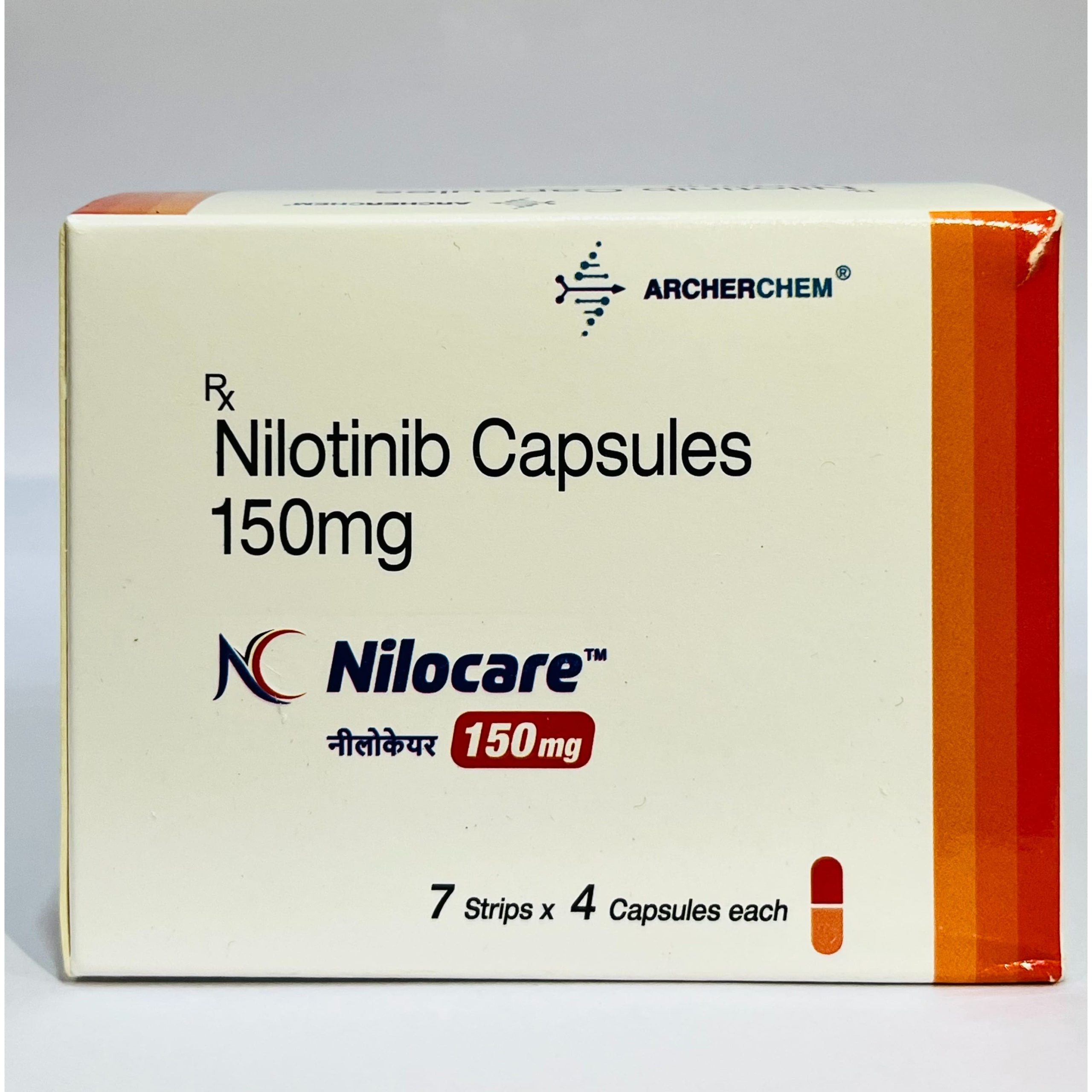
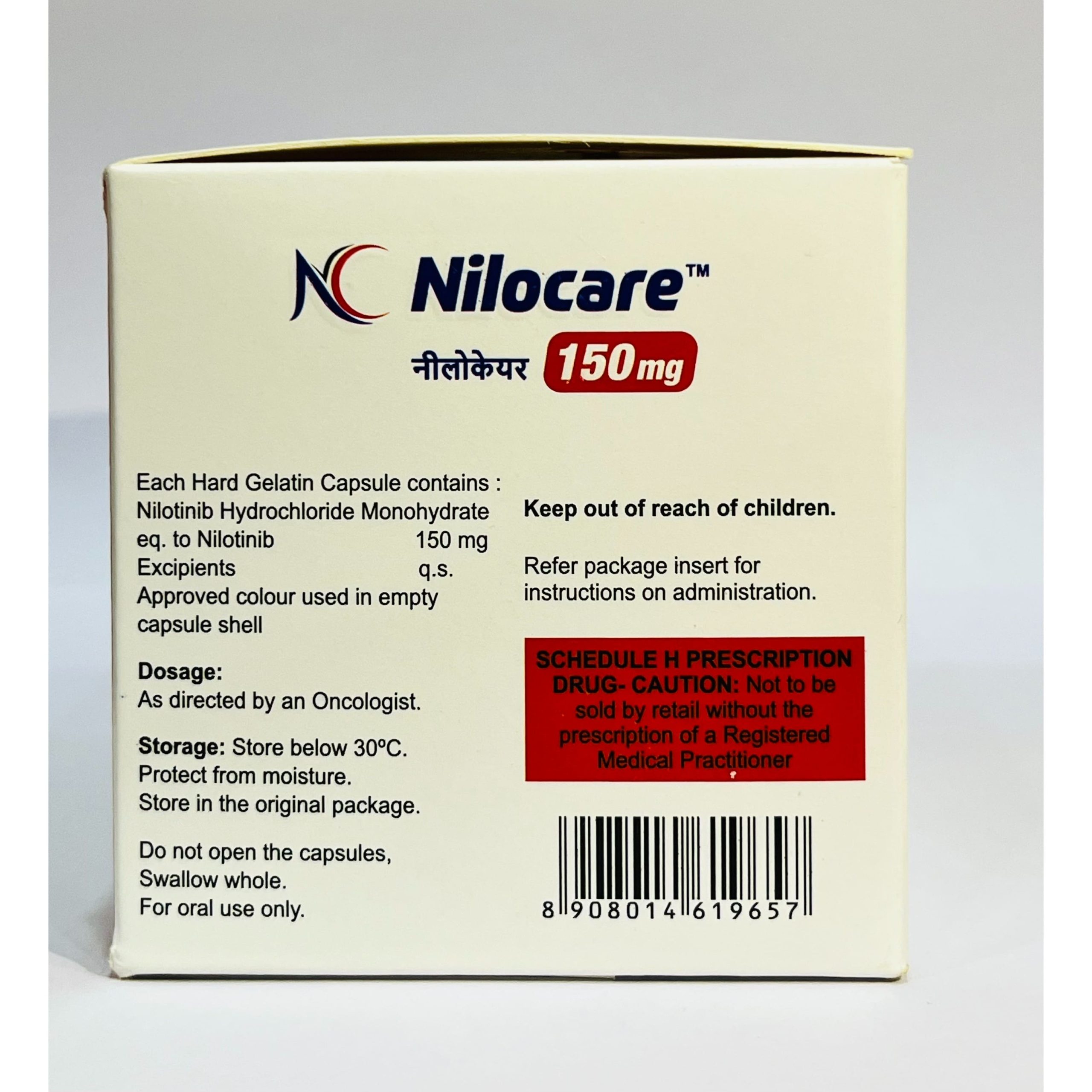
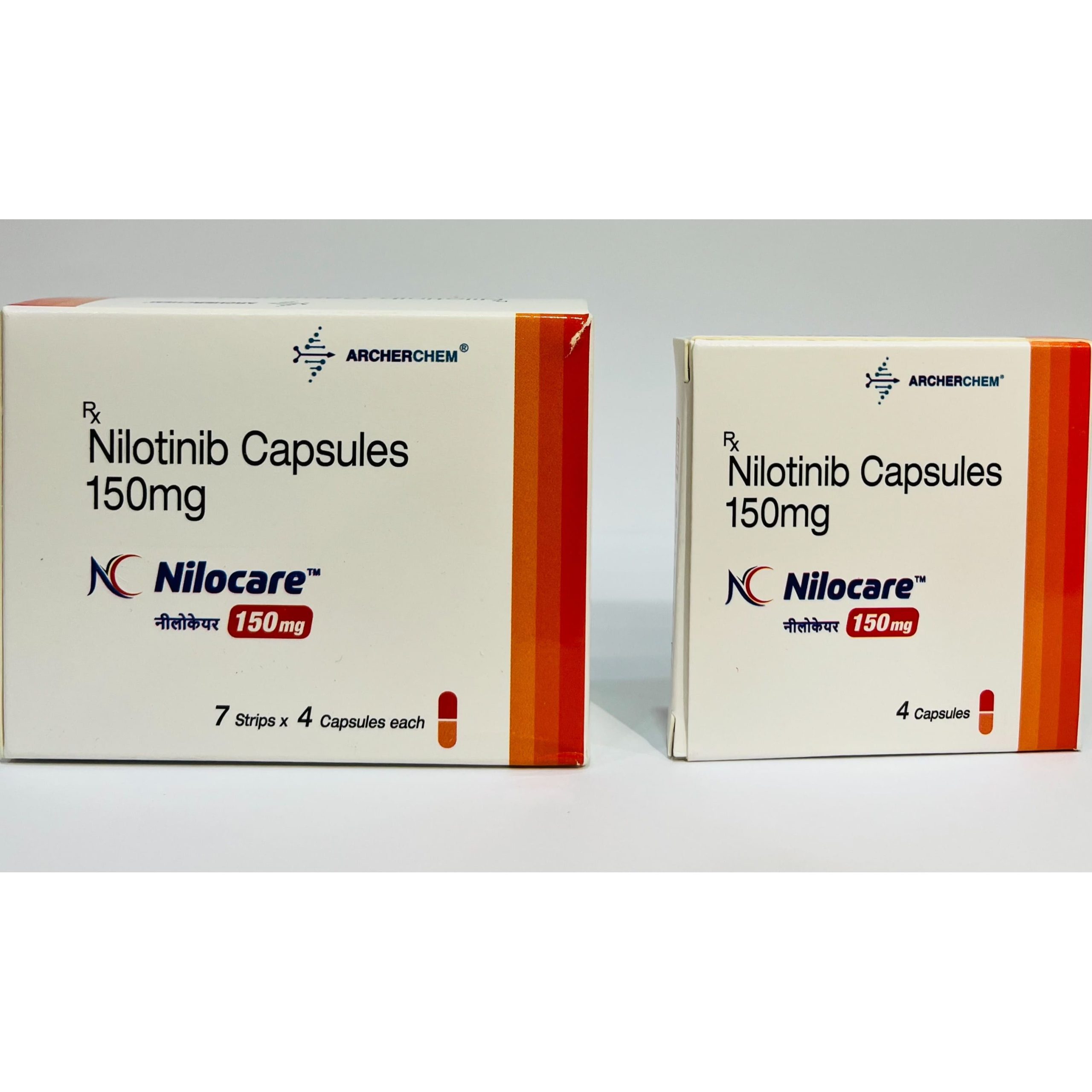
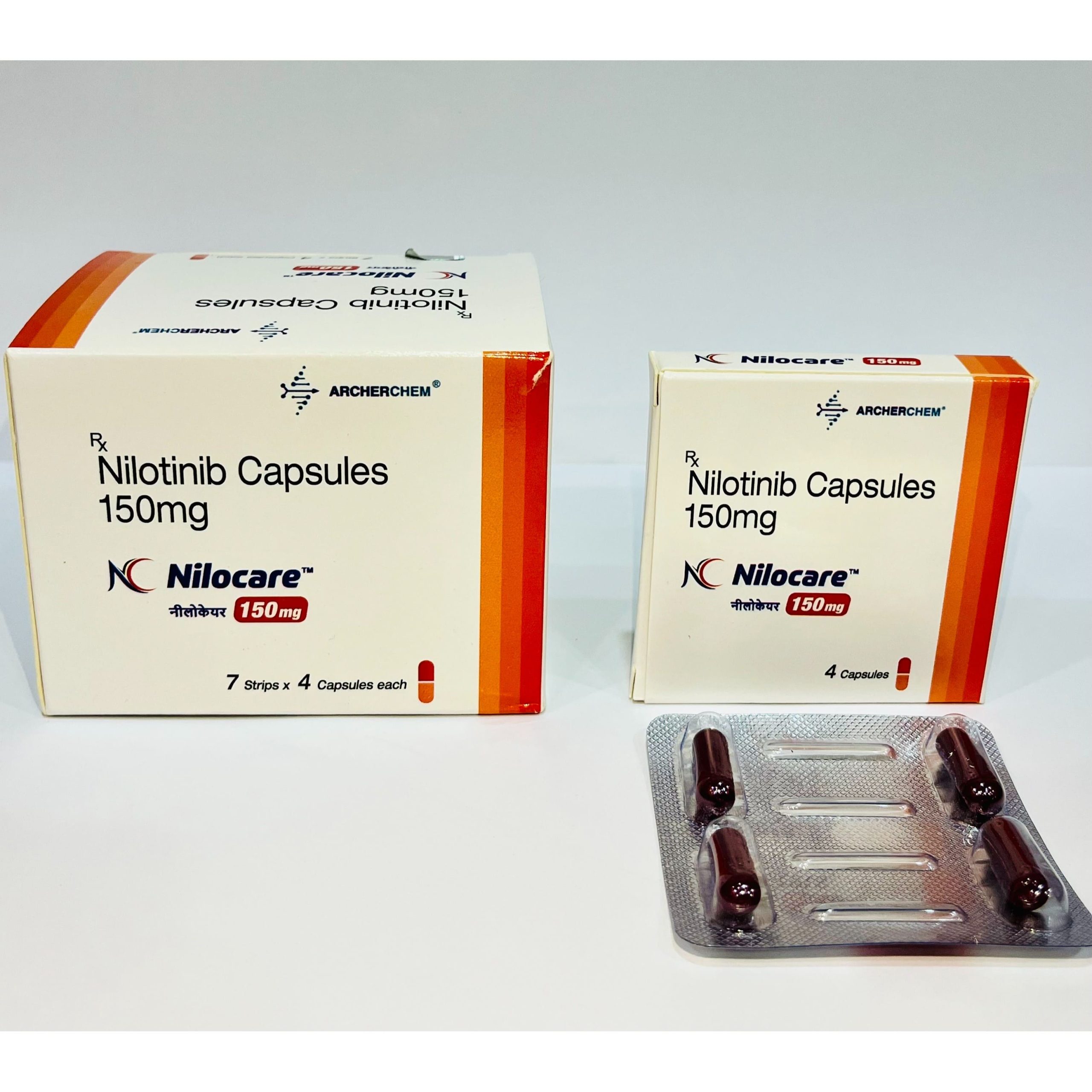
Composition: Nilotinib Capsules
Strength: 150 mg

Description:

Nilotinib is a potent, selective tyrosine kinase inhibitor (TKI) used in the treatment of certain types of leukemia. It works by blocking the BCR-ABL protein, which is produced by abnormal chromosomes in cancer cells and promotes their growth. By inhibiting this enzyme, Nilotinib helps slow or stop the progression of the disease. It is primarily used in the management of Philadelphia chromosome-positive chronic myeloid leukemia (Ph+ CML).

Nilotinib selectively inhibits the BCR-ABL tyrosine kinase, including several mutant forms of BCR-ABL, and other kinases such as c-Kit and PDGFR. This inhibition blocks proliferation and induces apoptosis in leukemia cells that express BCR-ABL.

Chronic phase and accelerated phase Ph+ chronic myeloid leukemia (CML) in adult patients who are resistant or intolerant to prior therapy including imatinib
First-line treatment of newly diagnosed adult patients with Ph+ CML in the chronic phase

Loading...

Description

Dosage and Administration
  • Administer orally on an empty stomach (at least 2 hours after a meal, and no food for at least 1 hour after the dose)
  • 150 mg and 200 mg capsules should be swallowed whole with water
  • Dosage and frequency vary depending on disease phase and patient tolerance
  • Treatment should be initiated and supervised by a physician experienced in managing CML
  • Nausea
  • Rash
  • Headache
  • Fatigue
  • Constipation
  • Itching or dry skin
  • Muscle or joint pain
  • QT prolongation and other cardiac arrhythmias
  • Pancreatitis
  • Myelosuppression (low white/red blood cells, platelets)
  • Electrolyte imbalances (low potassium, magnesium)
  • Severe fluid retention
  • Contraindicated in patients with hypokalemia, hypomagnesemia, or long QT syndrome
  • Frequent ECG and electrolyte monitoring is recommended
  • Not recommended during pregnancy or breastfeeding
  • Patients should be advised to avoid grapefruit or grapefruit juice during therapy
  • Caution in patients with a history of pancreatitis or hepatic impairment
  • Monitor blood counts, liver function, and ECGs regularly during treatment