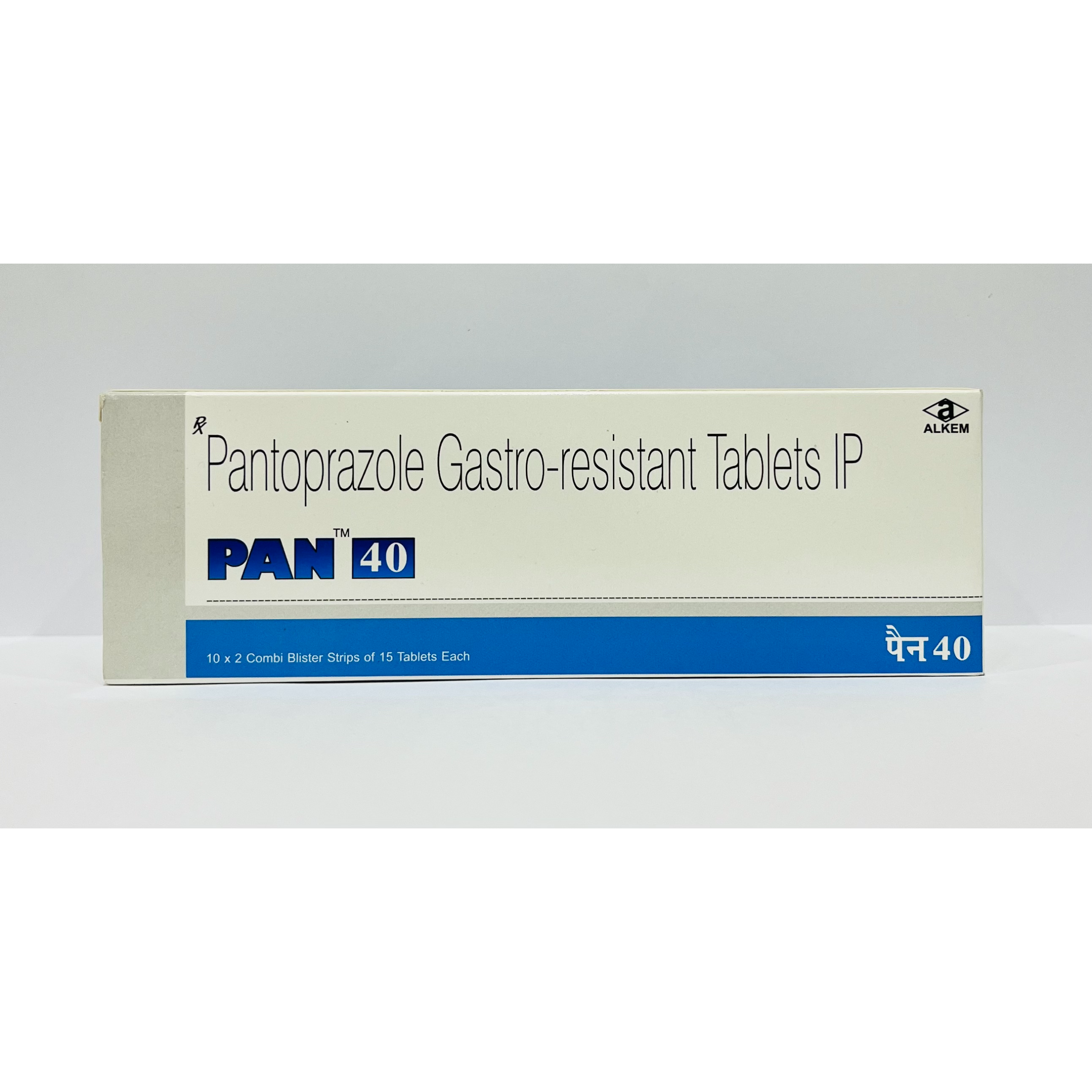
Description
Dosage and Administration
- Administration:
Iodixan-270, is administered intravenously or intra-arterially by a qualified healthcare professional in a clinical setting. - Preparation:
Ensure the patient is adequately hydrated before and after administration to minimize the risk of contrast-induced nephropathy. Inspect the solution for particulate matter or discoloration prior to use; do not use if defects are observed.
Side Effects
- Injection Site Reactions:
Discomfort, warmth, or pain at the injection site. - Gastrointestinal:
Nausea, vomiting, and diarrhea. - Neurological:
Headache, dizziness, and altered taste sensations. - Allergic Reactions:
Hives, difficulty breathing, or swelling of the face, lips, tongue, or throat. - Renal Impairment:
Signs include reduced urination and swelling in the lower extremities.
Precautions
- Renal Function:
Assess kidney function prior to administration, especially in patients with pre-existing renal impairment or diabetes. Maintain adequate hydration to reduce the risk of contrast-induced nephropathy. - Hypersensitivity:
Patients with a history of allergy to iodinated contrast agents or other allergens may have an increased risk of hypersensitivity reactions. Pre-medication with antihistamines or corticosteroids may be considered in such cases. - Thyroid Dysfunction:
Use with caution in patients with thyroid disorders, as iodinated contrast agents can affect thyroid function. - Pregnancy and Lactation:
Consult a healthcare provider before use during pregnancy or breastfeeding. While iodixanol is poorly excreted into breast milk and minimally absorbed by the infant’s gastrointestinal tract, caution is advised.