About Us

/
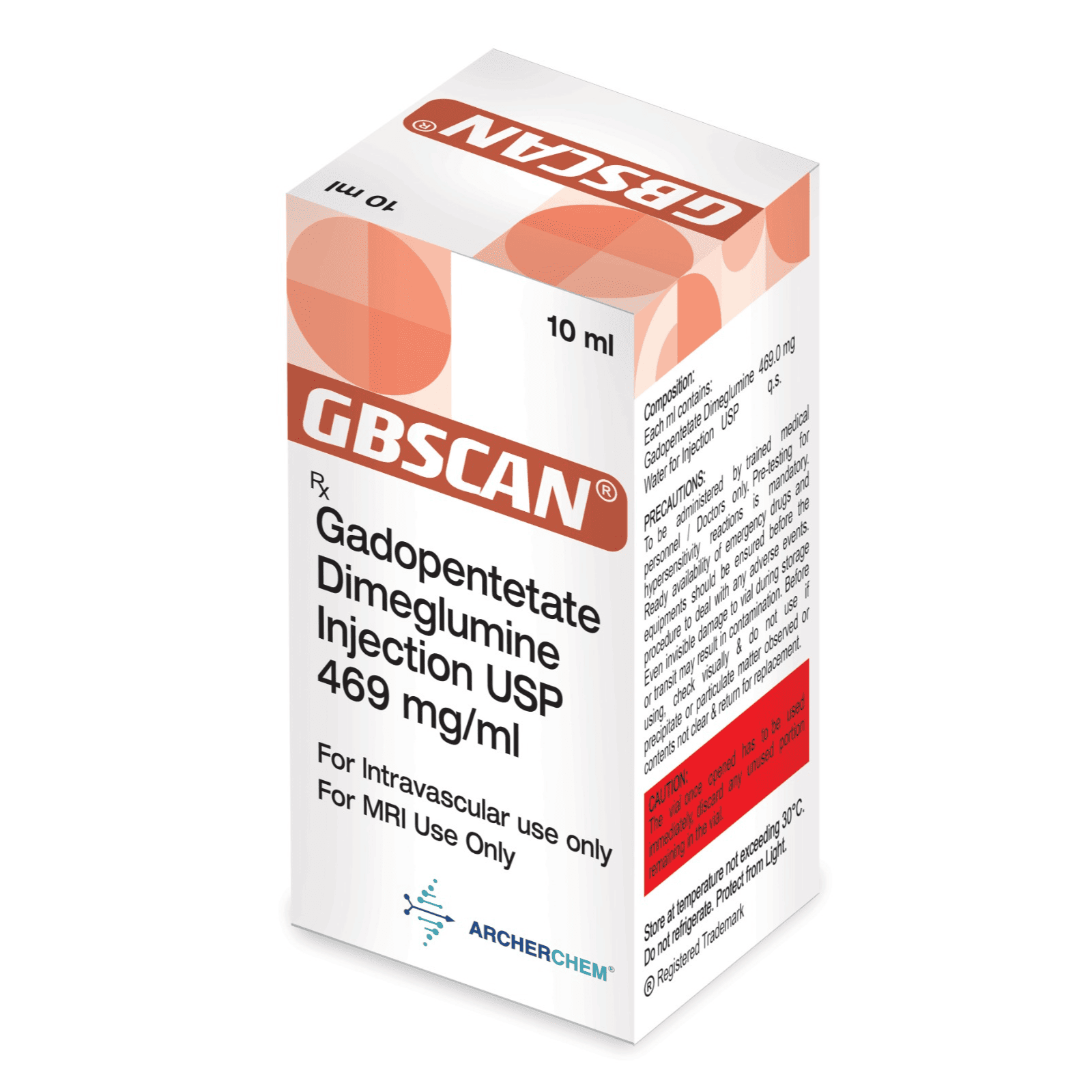
GBSCAN

GBSCAN

/
GBSCAN
Loading...

GBSCAN

Category:
Composition: Gadopentetate Dimeglumine – 469 mg/ml
Strength: 10 ml

Description:

Gadopentetate Dimeglumine is an extracellular, linear, ionic gadolinium-based contrast agent used in magnetic resonance imaging (MRI) to enhance the visualization of abnormal vascularity and lesions in various body regions. It aids healthcare professionals in distinguishing between normal and pathological tissues by improving image contrast. ​ Gadopentetate Dimeglumine functions by shortening the relaxation times (T₁ and T₂) of protons in tissues where it accumulates, leading to increased signal intensity on MRI scans. This effect enhances the contrast between different tissues, facilitating improved visualization of internal structures. ​
Enhances visualization of lesions with abnormal vascularity in the brain, spine, and associated tissues. ​Assists in identifying and delineating abnormalities in the head and neck regions. ​

Loading...

Description

Dosage and Administration
  • Administration:
    GBSCAN is administered intravenously by a qualified healthcare professional in a clinical setting.​
  • Preparation:
    No special patient preparation is required. However, maintaining adequate hydration before and after administration is advisable to support renal function. ​
  • Headache:
    Mild to moderate pain in the head region. ​
  • Nausea and Vomiting:
    Feelings of sickness or discomfort in the stomach, potentially leading to vomiting. ​
  • Dizziness:
    Light headedness or fainting sensations. ​
  • Injection Site Reactions:
    Cold feeling, warmth, pain, or burning at the injection site. ​
  • Allergic Reactions:
    Hives, difficulty breathing, or swelling of the face, lips, tongue, or throat.
  • Nephrogenic Systemic Fibrosis (NSF):
    Symptoms include skin thickening, joint stiffness, and muscle weakness. ​
  • Kidney Function:
    Gadopentetate Dimeglumine may increase the risk of acute kidney injury, especially in patients with pre-existing kidney problems. Assess renal function prior to administration. ​
  • Allergies:
    Inform your doctor of any known allergies to gadolinium-based contrast agents or other medications.
  • Pregnancy and Breastfeeding:
    Consult your healthcare provider before use, as the effects on fetal development and nursing infants are not fully established.
  • Gadolinium Retention:
    Trace amounts of gadolinium may remain in the body, including the brain, for an extended period. The clinical significance of this retention is currently unknown. ​