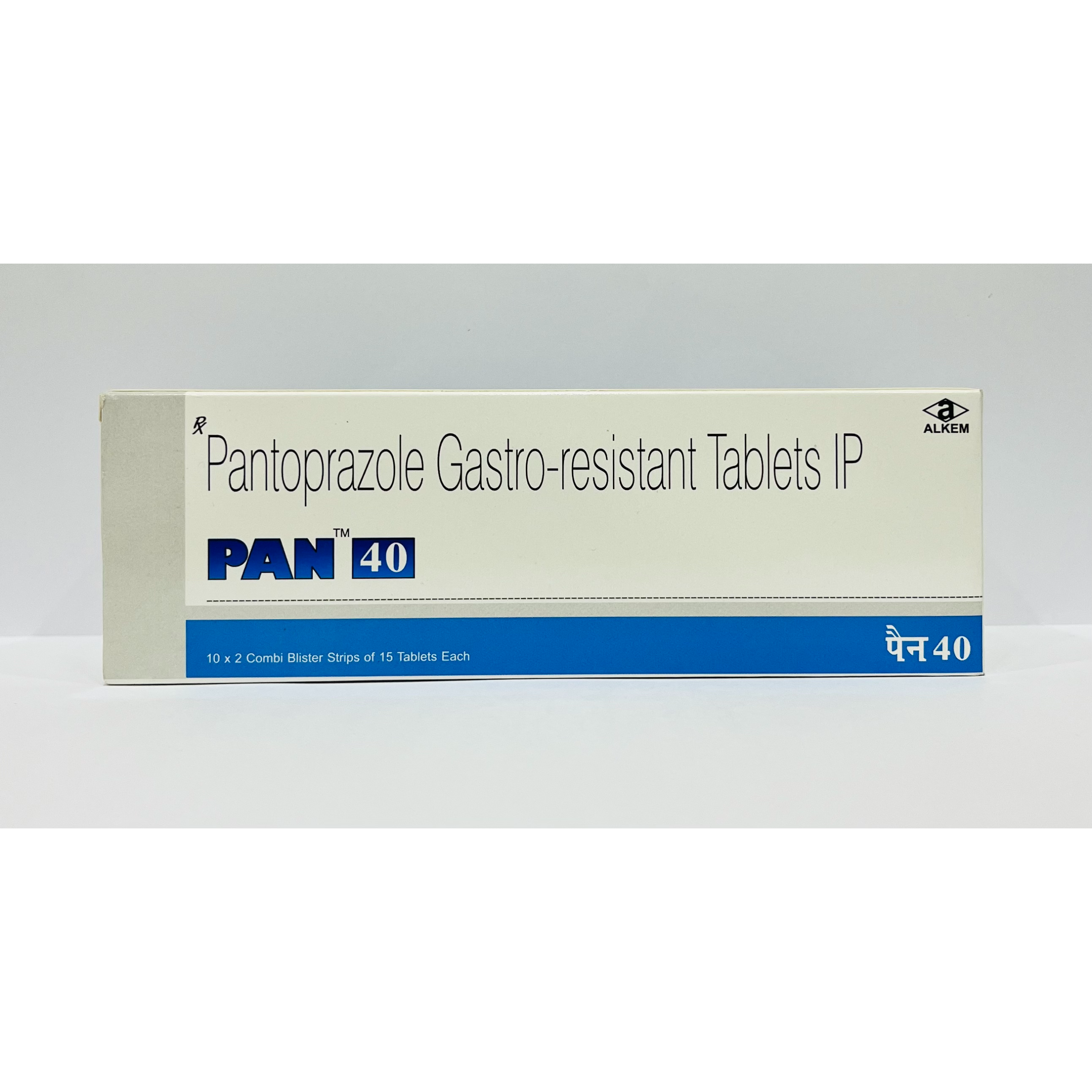
Description
Dosage and Administration
Administration Route:
Intramuscular (IM) injection.
Use the minimum effective dose for the shortest duration consistent with individual patient treatment goals. Transition to oral NSAIDs as soon as feasible.
Note:
Dosage may vary based on individual patient needs and clinical judgment.
Side Effects
- Nausea and vomiting
- Diarrhea or constipation
- Headache
- Dizziness
- Pain or irritation at the injection site
- Gastrointestinal Bleeding:
Signs include severe stomach pain, black or tarry stools, and vomiting blood. - Hypersensitivity Reactions:
Such as difficulty breathing, swelling of the face or throat, and skin rashes.
Precautions
- Gastrointestinal Risk:
NSAIDs, including diclofenac, may cause an increased risk of serious gastrointestinal adverse events, including bleeding, ulceration, and perforation of the stomach or intestines. - Renal Effects:
Long-term administration of NSAIDs has resulted in renal papillary necrosis and other renal injury. - Hypersensitivity:
Diclofenac is contraindicated in patients with known hypersensitivity to diclofenac. - Pregnancy and Lactation:
Use during pregnancy, particularly in the third trimester, is not recommended due to potential adverse effects on the foetus. Caution is advised when administering to nursing women. - Elderly Patients:
Elderly patients are at greater risk for serious gastrointestinal events. Use the lowest effective dose for the shortest duration possible.