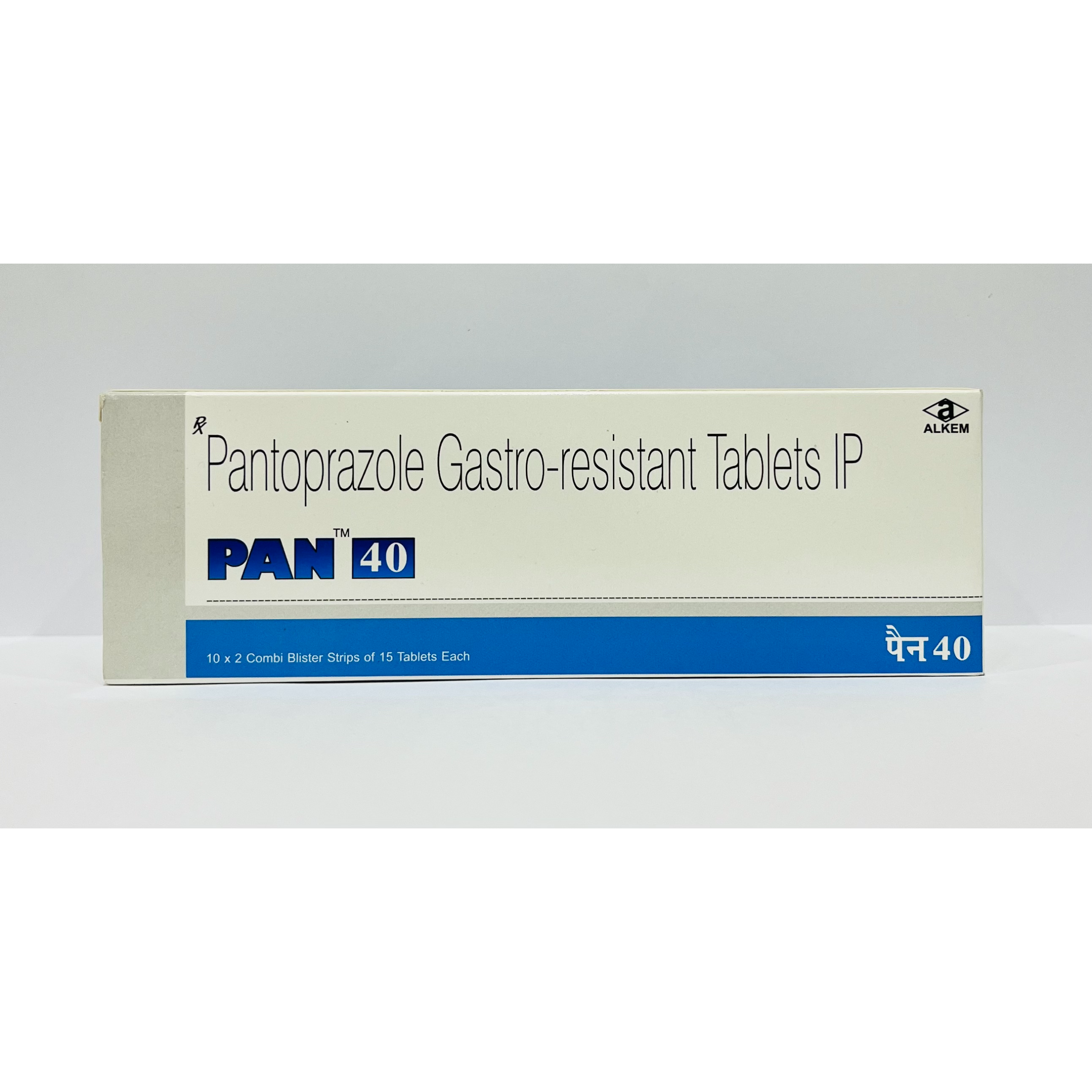
Description
Dosage and Administration
- Dosage:
The volume and rate of infusion depend on the patient’s age, weight, clinical condition, and laboratory determinations. It is essential to individualize the dosage based on the patient’s needs and response to therapy. - Administration:
Administer intravenously using sterile equipment and aseptic technique. Monitor the infusion site for signs of infiltration or phlebitis.
Side Effects
- Injection Site Reactions:
Pain, irritation, inflammation, or swelling at the infusion site - Fluid Overload:
Overhydration leading to enema, particularly in patients with compromised renal function or heart failure. - Electrolyte Imbalances:
Alterations in electrolyte levels, such as hypernatremia or hyponatremia, especially with prolonged use or in patients with underlying conditions. - Hyperglycaemia:
Elevated blood glucose levels, particularly in diabetic patients or those with impaired glucose tolerance.
If any adverse reactions occur, discontinue the infusion and consult a healthcare professional.
Precautions
- Monitoring:
Regularly monitor fluid balance, electrolyte levels, and blood glucose concentrations during therapy. - Use in Specific Populations:
Exercise caution when administering to patients with conditions such as diabetes mellitus, renal impairment, or congestive heart failure, as they may be more susceptible to complications. - Compatibility:
Before adding any medications to the solution, verify compatibility to prevent potential interactions or precipitation. - Pregnancy and Lactation:
Consult a healthcare provider before use during pregnancy or breastfeeding to evaluate potential risks and benefits.